Gochujang Caramel Cookies Recipe
Introduction
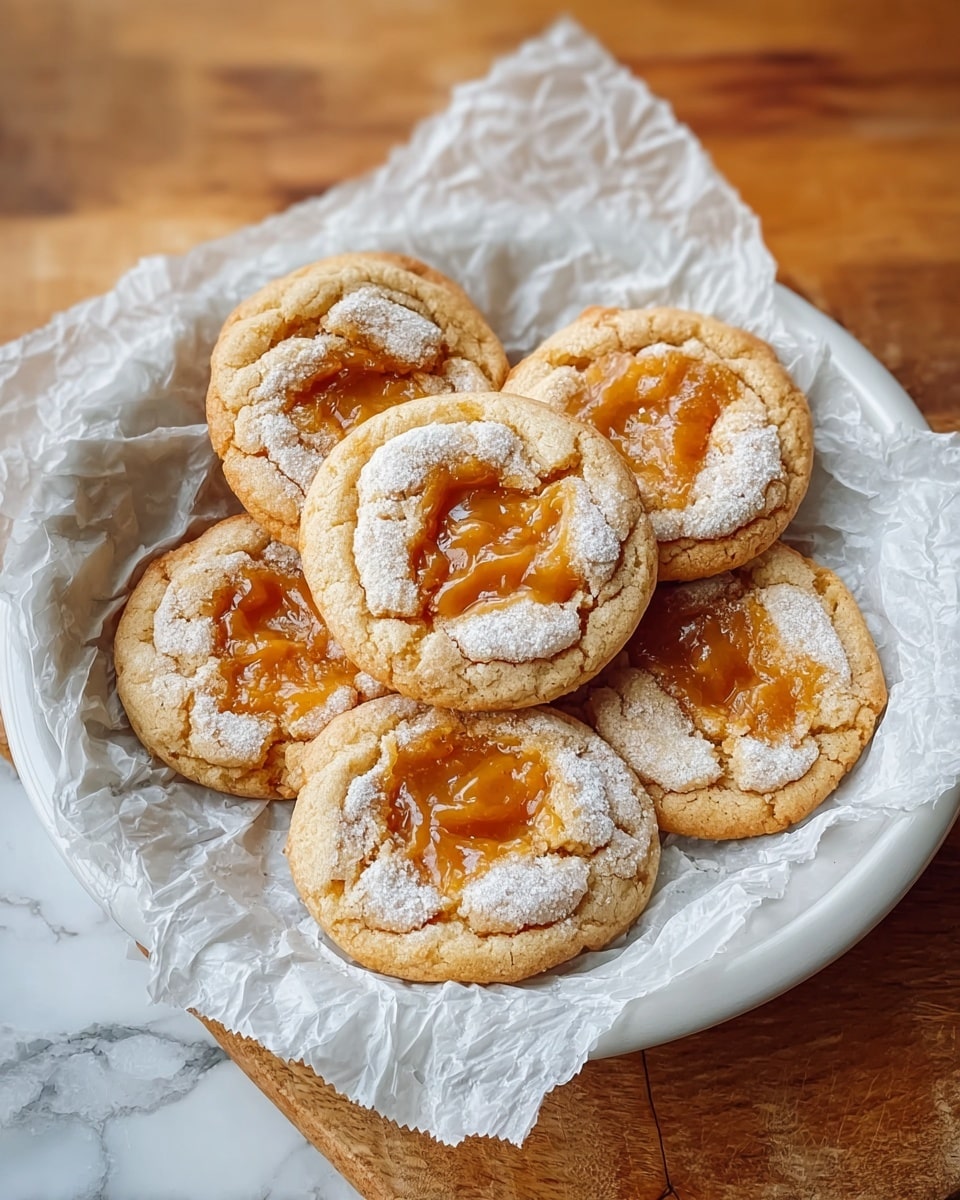
Gochujang Caramel Cookies combine the rich, sweet flavors of caramel with a subtle kick of Korean chili paste for a unique and delicious treat. These cookies offer a perfect balance of warmth, spice, and sweetness that will surprise and delight your taste buds.
Ingredients
- 8 tbsp Unsalted Butter
- 2 tbsp Light Brown Sugar
- 1 cup Granulated Sugar
- 1 large Egg
- 1 tsp Vanilla Extract
- 1.5 cups All-Purpose Flour
- 0.5 tsp Baking Soda
- 0.75 tsp Kosher Salt
- 0.25 tsp Ground Cinnamon
- 1 heaping tbsp Korean Chili Paste (Gochujang)
Instructions
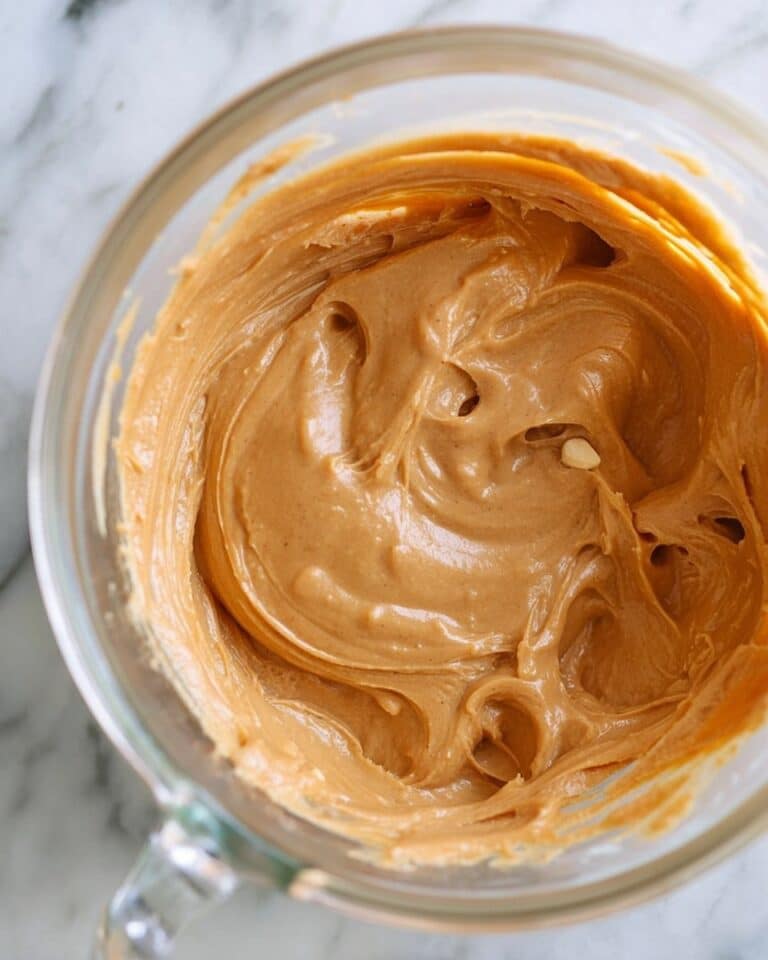
- Step 1: Prepare the gochujang caramel paste by mixing softened butter with light brown sugar and gochujang until smooth.
- Step 2: Make the cookie dough by creaming the remaining butter with granulated sugar and the brown sugar mixture, then add the egg and vanilla extract and mix until combined.
- Step 3: Combine the dry ingredients by whisking together flour, baking soda, kosher salt, and ground cinnamon.
- Step 4: Gradually incorporate the dry ingredients into the butter-sugar mixture until just combined.
- Step 5: Chill the dough by covering it with plastic wrap and refrigerating for 10 to 15 minutes.
- Step 6: Preheat your oven to 350°F (175°C) and line baking sheets with parchment paper.
- Step 7: Marble the caramel paste into the dough by gently folding dollops of the gochujang caramel throughout.
- Step 8: Scoop the dough using a cookie scoop or spoon to create 12 evenly sized mounds on the prepared baking sheets.
- Step 9: Bake the cookies for 11 to 13 minutes, until the edges are lightly golden.
- Step 10: Let the cookies cool on the baking sheets for about 3 minutes before transferring them to a wire rack to cool completely.
Tips & Variations
- For a milder heat, reduce the amount of gochujang or substitute with a milder chili paste.
- Try adding chopped toasted nuts like pecans or walnuts for extra crunch and flavor.
- Chilling the dough longer will help prevent spreading and yield thicker cookies.
- Use high-quality vanilla extract for a more pronounced aroma.
Storage
Store these cookies in an airtight container at room temperature for up to three days to maintain freshness. If you want to keep them longer, you can freeze the baked cookies for up to one month. To reheat, warm them gently in a low oven or microwave to restore softness and flavor.
How to Serve
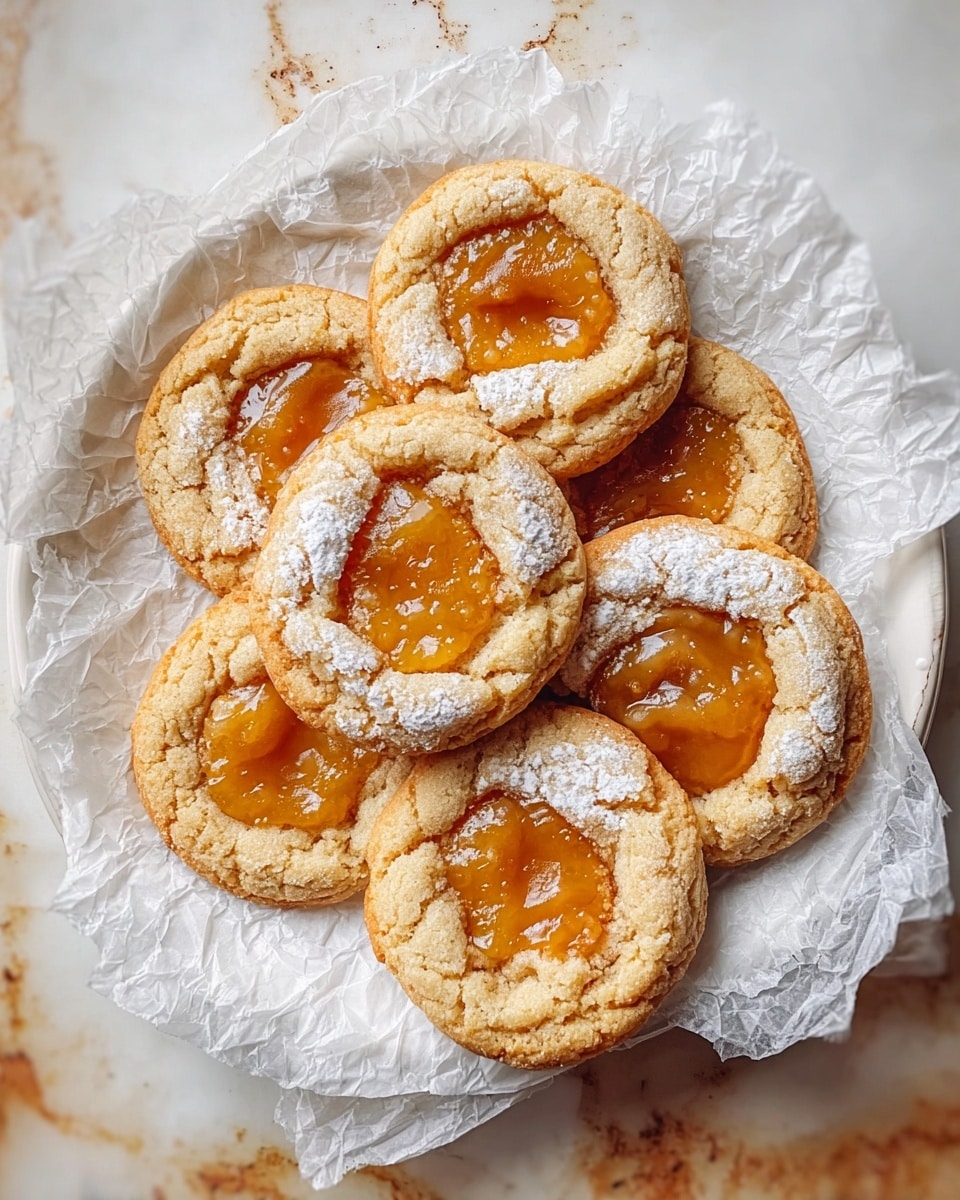
Serve this delicious recipe with your favorite sides.
FAQs
What does gochujang taste like in cookies?
Gochujang adds a complex, spicy-sweet umami flavor that complements the caramel and cinnamon notes, giving the cookies a subtle heat without overpowering the sweetness.
Can I use regular chili paste instead of gochujang?
You can substitute with other chili pastes, but the flavor profile will differ. Gochujang has a unique fermented sweetness that balances well with the caramel, so other chilies may result in a spicier or less nuanced taste.
PrintGochujang Caramel Cookies Recipe
These Gochujang Caramel Cookies offer a bold twist on classic caramel cookies by incorporating Korean chili paste for a perfect balance of sweet, spicy, and umami flavors. Their tender crumb and crispy edges make them an irresistible treat for adventurous cookie lovers.
- Prep Time: 15 minutes
- Cook Time: 12 minutes
- Total Time: 27 minutes
- Yield: 12 cookies 1x
- Category: Dessert
- Method: Baking
- Cuisine: Korean-American Fusion
Ingredients
Gochujang Caramel Paste
- 8 tbsp Unsalted Butter, softened
- 2 tbsp Light Brown Sugar
- 1 heaping tbsp Korean Chili Paste (Gochujang)
Cookie Dough
- 8 tbsp Unsalted Butter, softened (additional, or part of the total 8 tbsp if combined)
- 1 cup Granulated Sugar
- 1 large Egg
- 1 tsp Vanilla Extract
- 1.5 cups All-Purpose Flour
- 0.5 tsp Baking Soda
- 0.75 tsp Kosher Salt
- 0.25 tsp Ground Cinnamon
Instructions
- Prepare the Gochujang Caramel Paste: In a small bowl, mix together the softened butter, light brown sugar, and Korean chili paste until smooth and well combined, creating a flavorful caramel base.
- Make the Cookie Dough: In a larger bowl, cream the softened butter with granulated sugar and the prepared brown sugar mixture until light and fluffy. Then, beat in the egg and vanilla extract until fully incorporated.
- Combine Dry Ingredients: In a separate bowl, whisk together the all-purpose flour, baking soda, kosher salt, and ground cinnamon to ensure an even distribution of leavening agents and spices.
- Incorporate Dry Ingredients: Gradually add the dry ingredients into the wet mixture and mix until a smooth dough forms, being careful not to overmix.
- Chill the Dough: Cover the dough with plastic wrap and refrigerate for 10 to 15 minutes to firm it up and enhance texture during baking.
- Prepare Baking Sheets: Preheat your oven to 350°F (175°C). Line baking sheets with parchment paper to prevent sticking.
- Marble the Caramel Paste: Gently fold dollops of the prepared gochujang caramel paste into the chilled dough, creating a marbled effect without fully blending the flavors together.
- Scoop Cookies: Using a cookie scoop or spoon, form 12 evenly sized mounds of dough and place them on the lined baking sheets, spacing them apart adequately.
- Bake the Cookies: Bake the cookies in the preheated oven for 11 to 13 minutes, until edges are golden and centers are set but still soft.
- Cool the Cookies: Allow the cookies to cool on the baking sheets for about 3 minutes before transferring them to a wire rack to cool completely.
- Store the Cookies: Once cooled, store the cookies in an airtight container at room temperature for up to three days to maintain freshness.
Notes
- Ensure butter is softened but not melted for proper creaming and texture.
- Do not overmix the dough after adding flour to keep cookies tender.
- Adjust the amount of gochujang to control the spice level.
- For more intense caramel flavor, use dark brown sugar instead of light brown sugar.
- These cookies are best enjoyed within three days for optimal freshness.
Keywords: gochujang caramel cookies, spicy caramel cookies, Korean chili cookies, unique cookie recipe, sweet and spicy cookies